ManuCore
Custom ERP
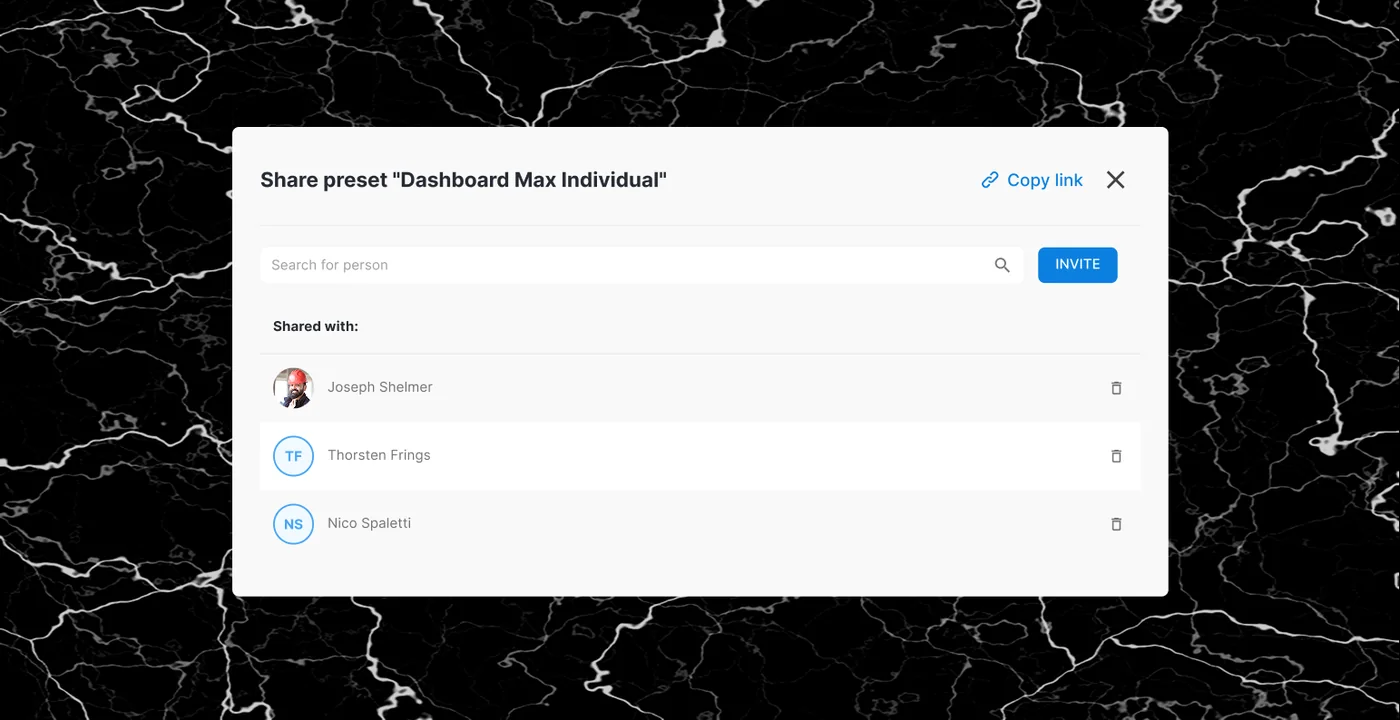
Cutting a 30-minute daily ritual down to a glance, across 15+ ERP modules
A mid-market manufacturer chose custom software over SAP, not because SAP was too complex, but because it couldn't capture the specific value creation that makes their business run. I led the UX that turned 20 years of spreadsheet chaos into one coherent system.
Their competitive edge lived in details that standard software flattens away. So they went looking for a custom software partner. I was in the room from the first conversation, alongside our CTO and sales, before a brief or contract existed.
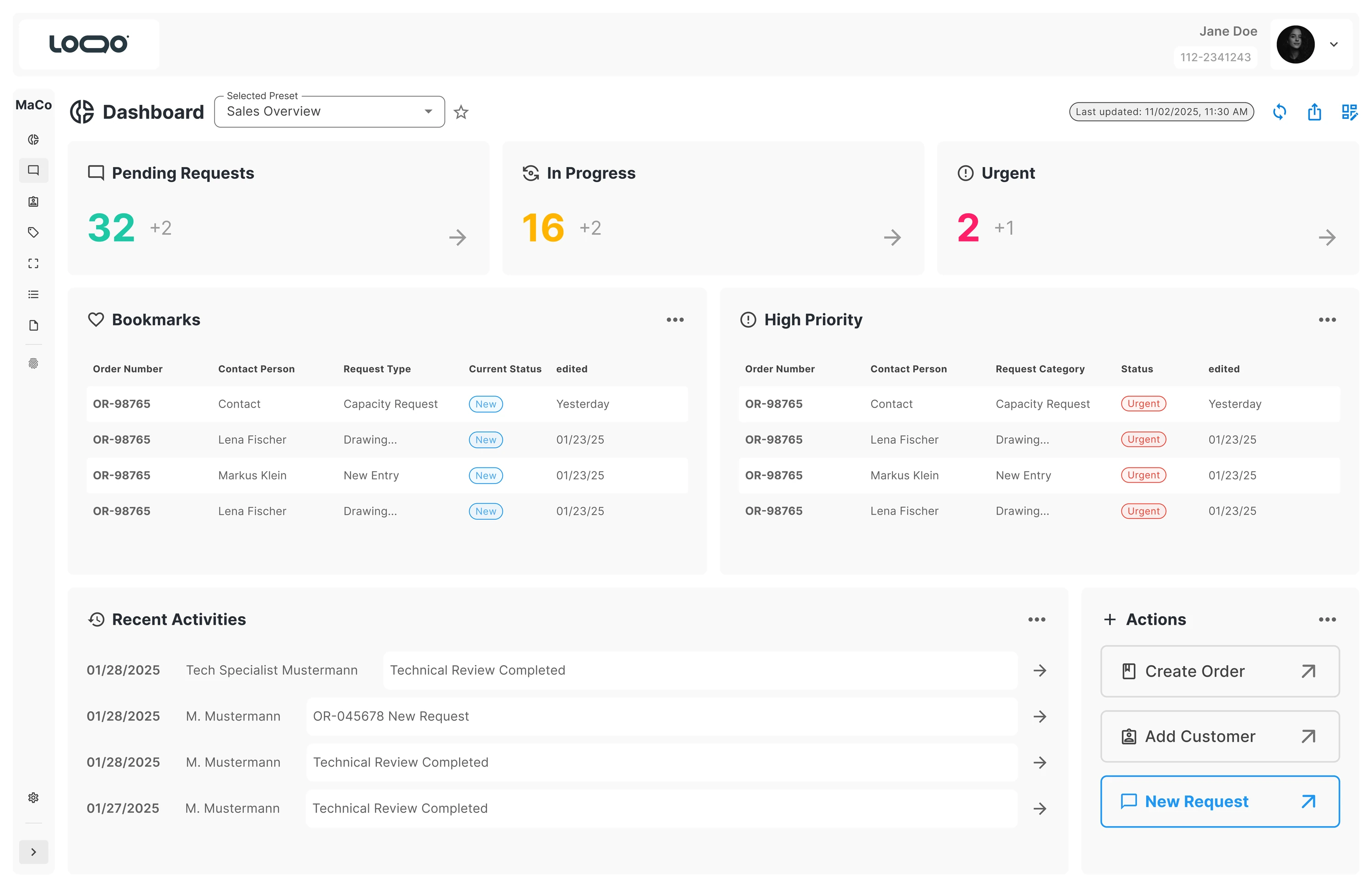
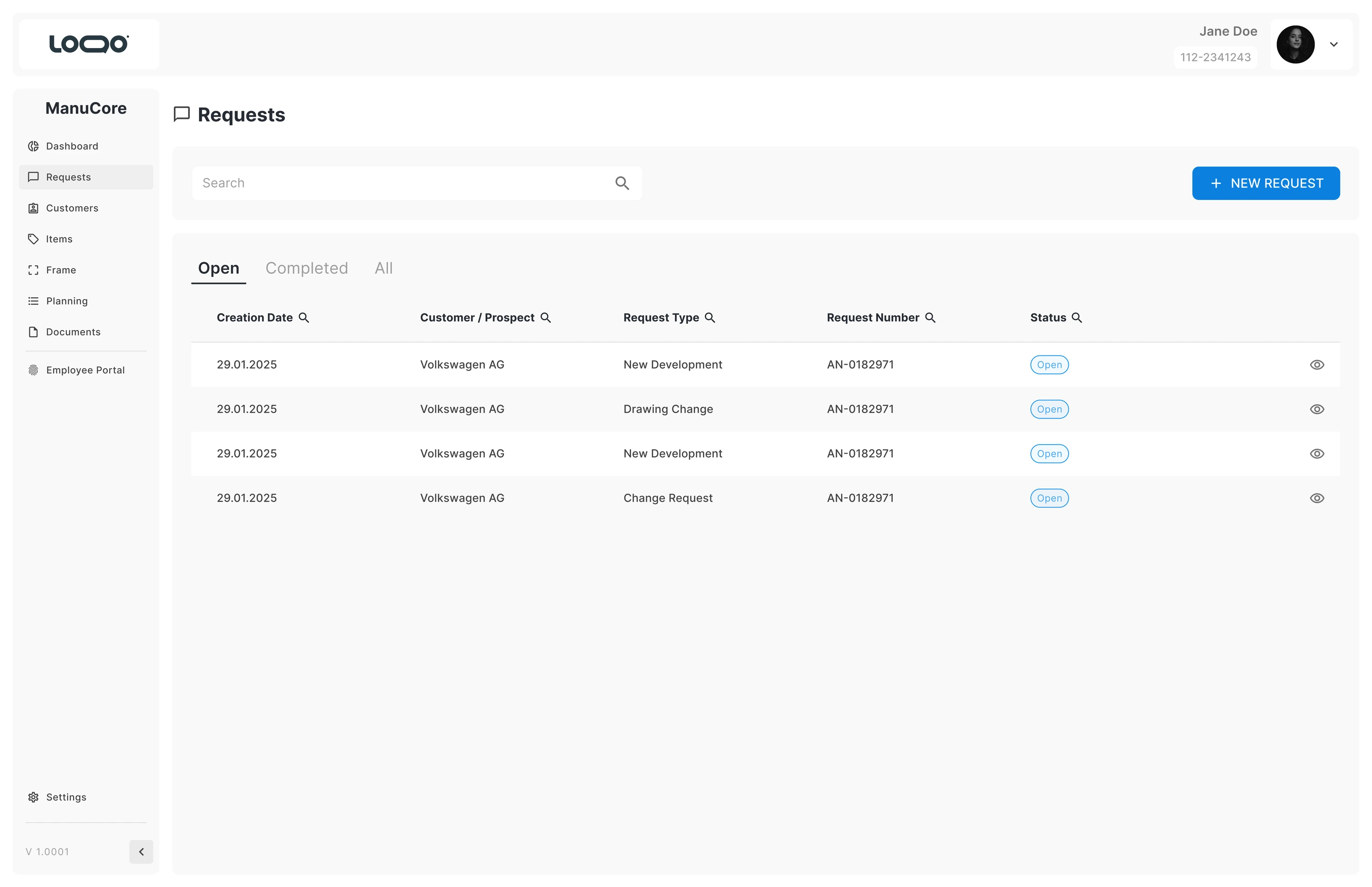
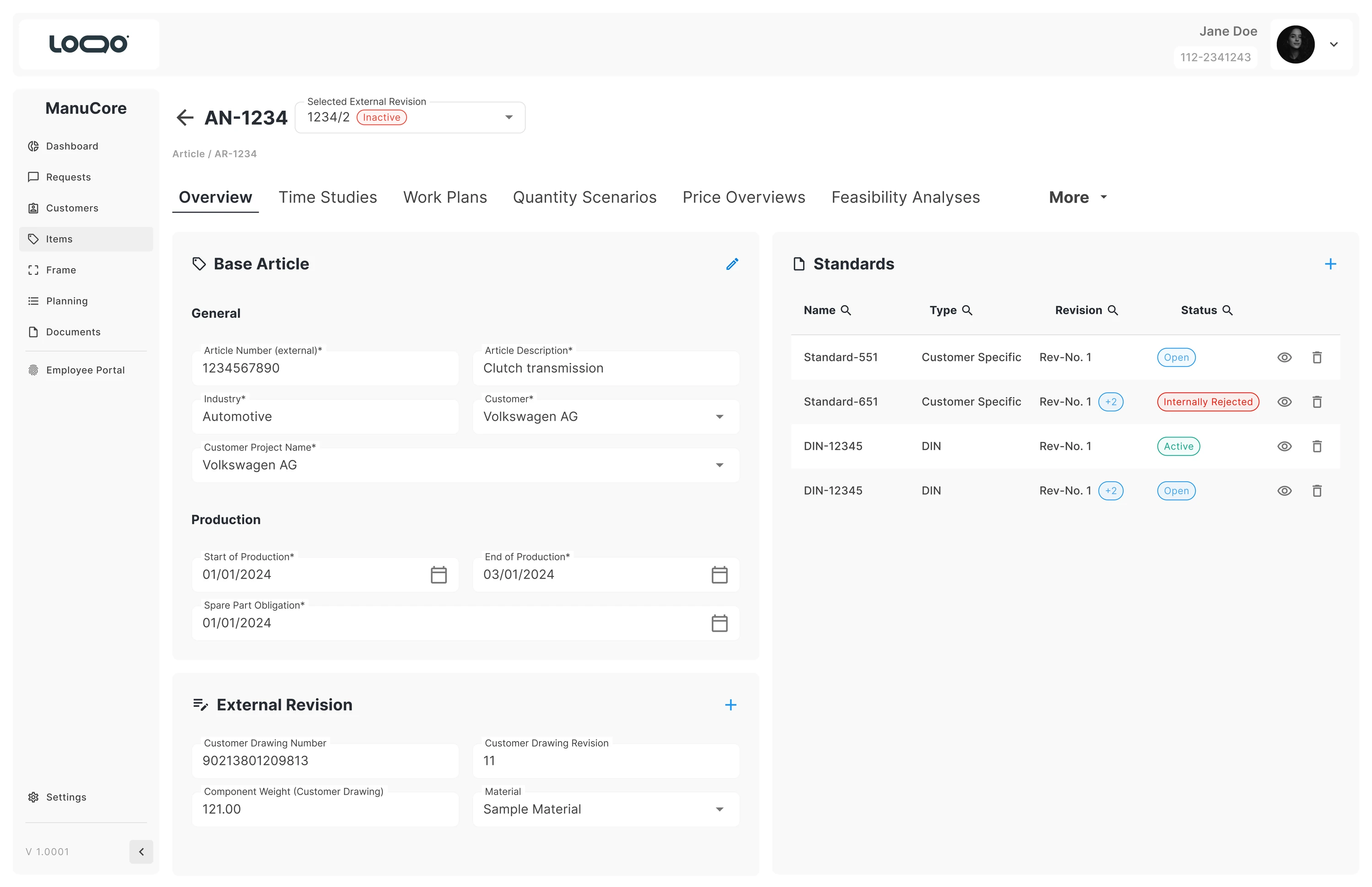
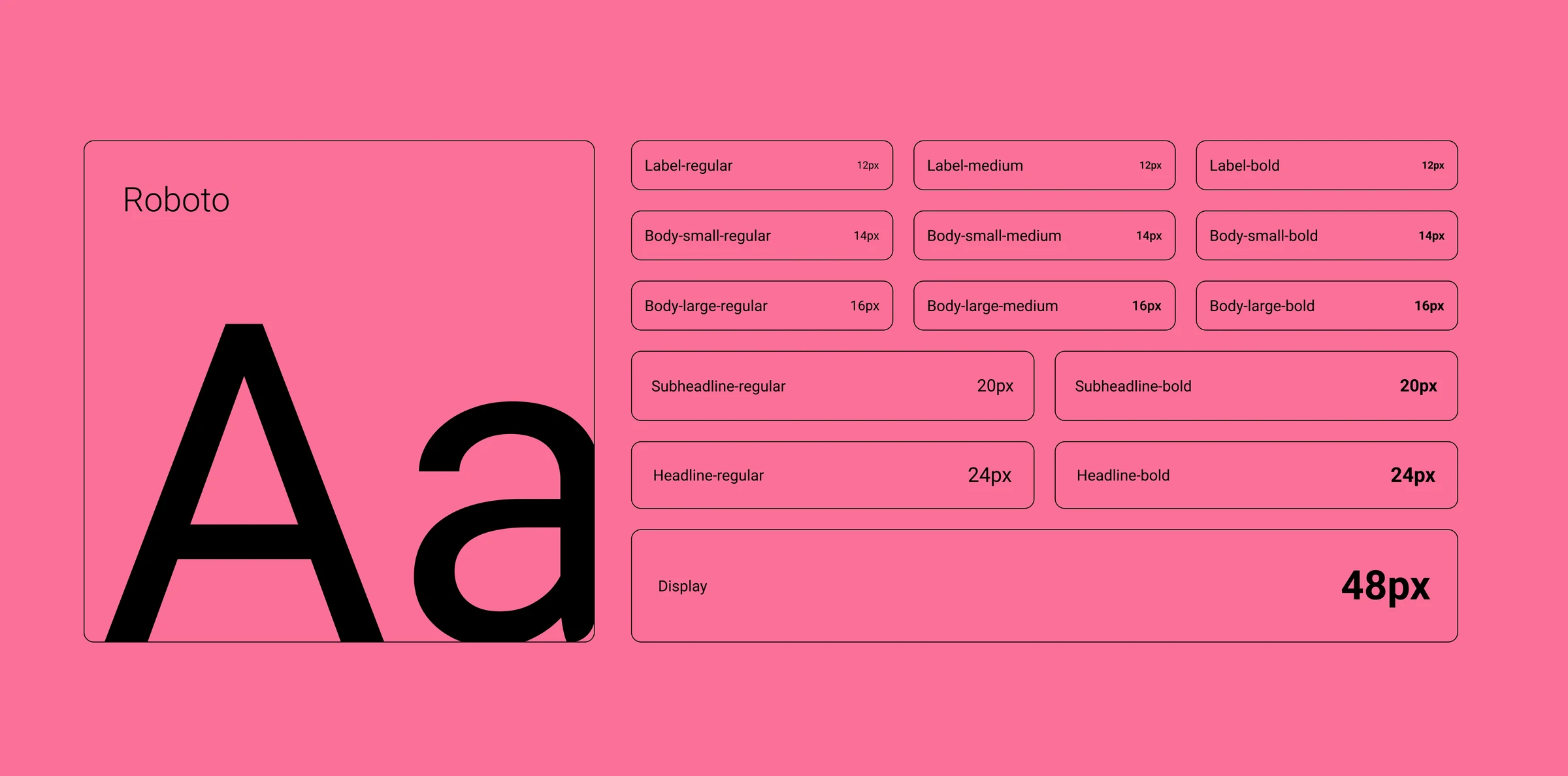
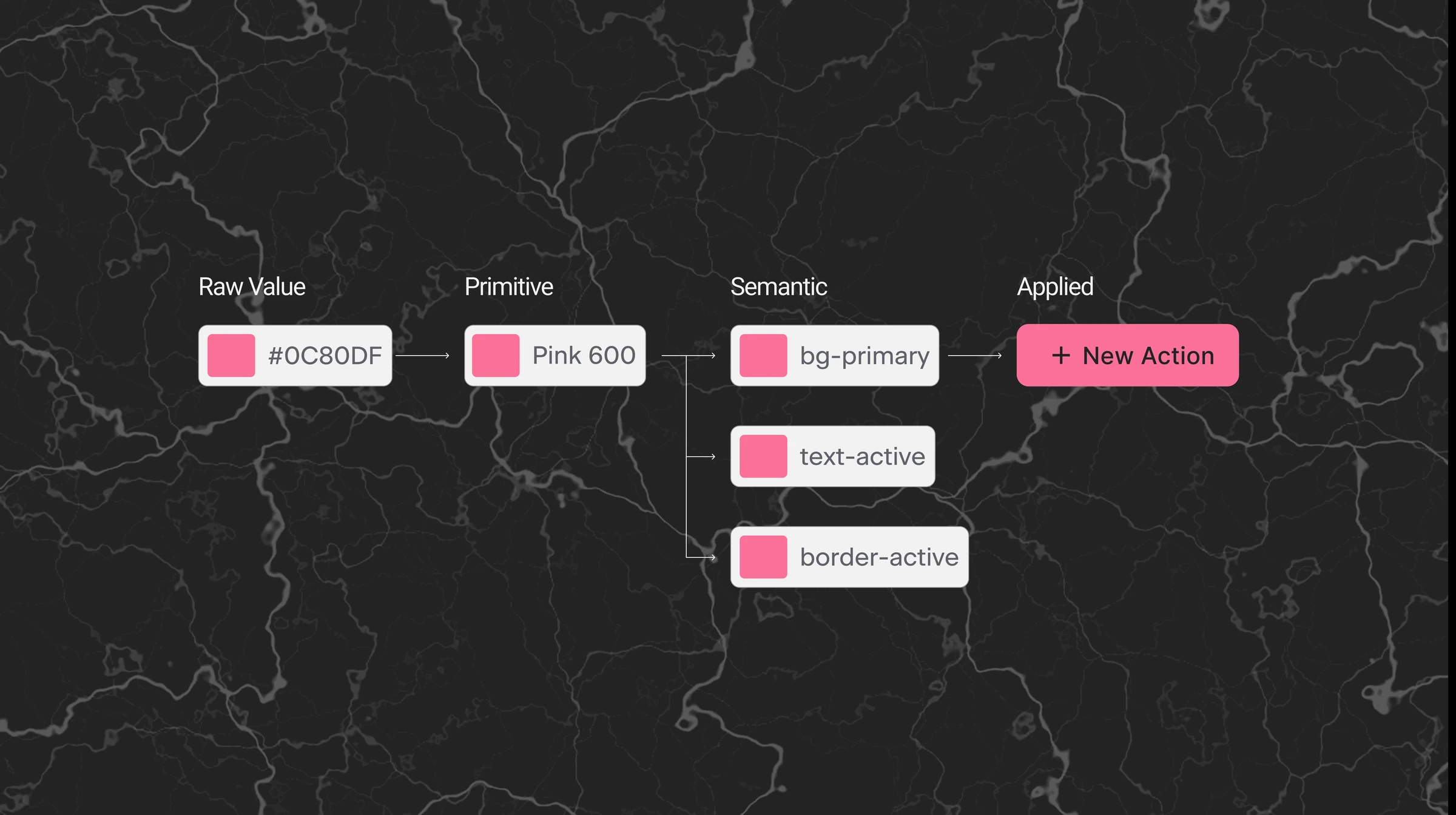
Based on MudBlazor a design system was put in place to drive the consistency of component use in the application. Besides the standard components, custom ones are used when necessary.
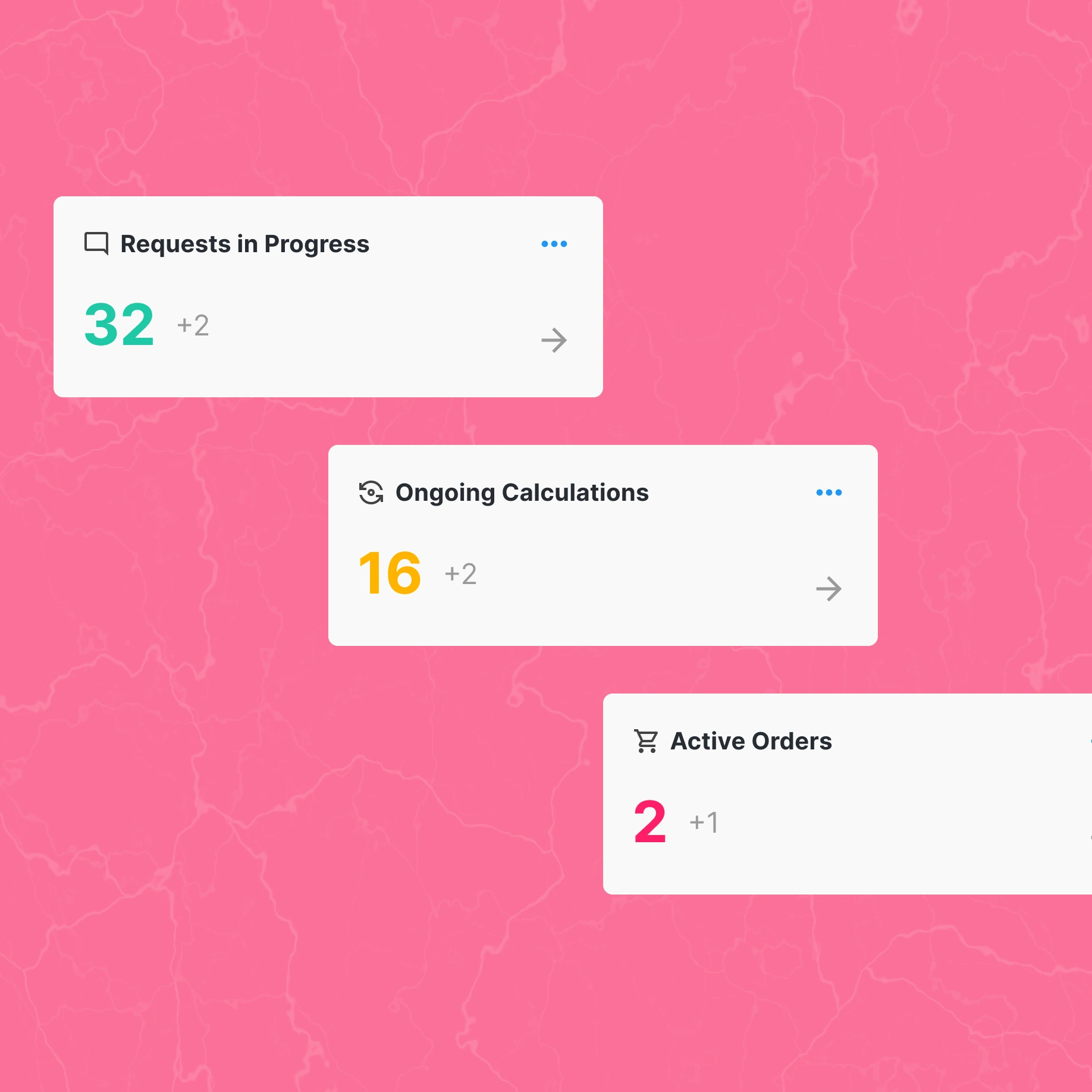
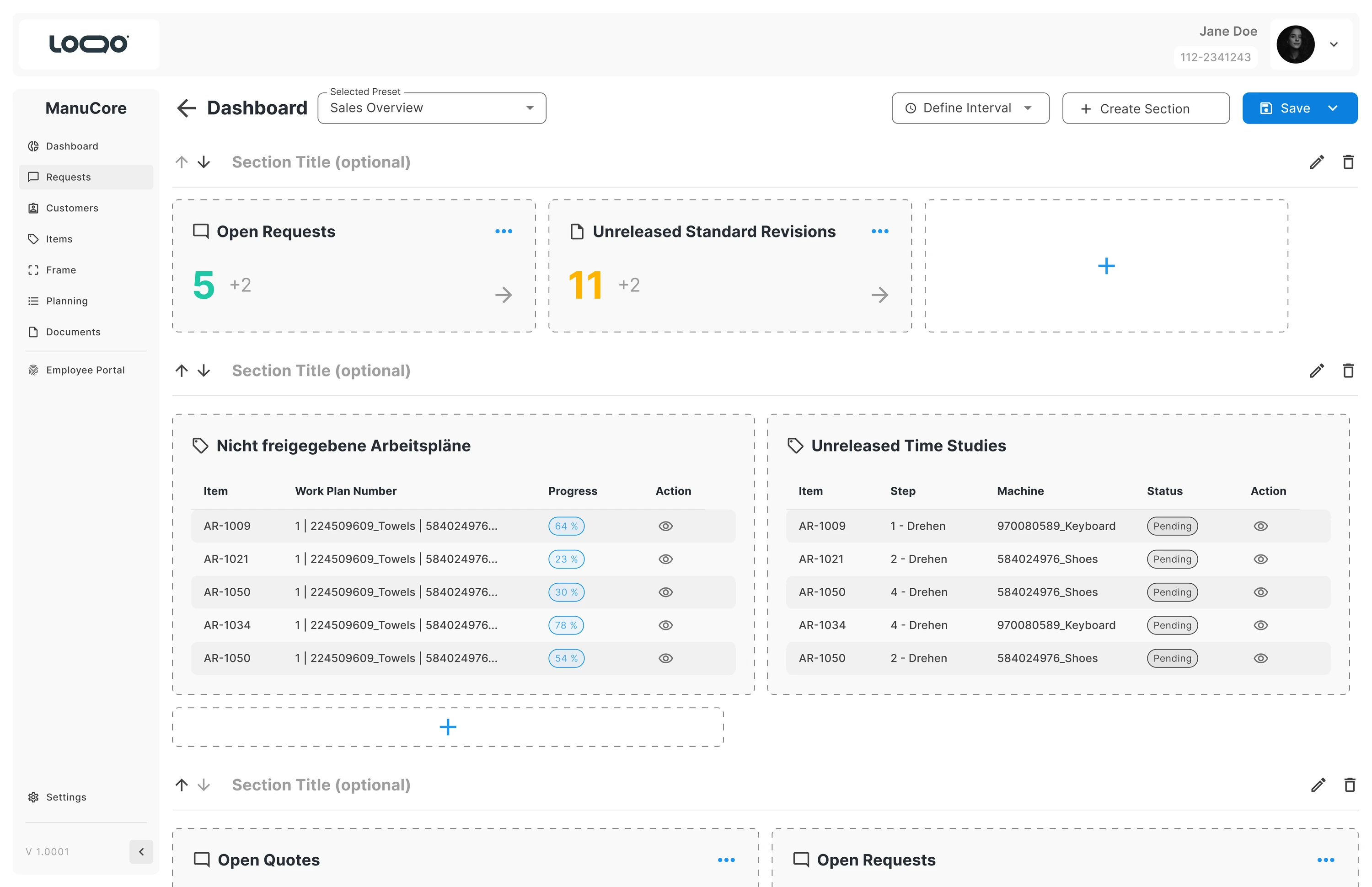
Built a module grid (small / medium / large) with dynamic, programmable modules. Designed a preset-based dashboard balancing standardisation with per-user customisation.
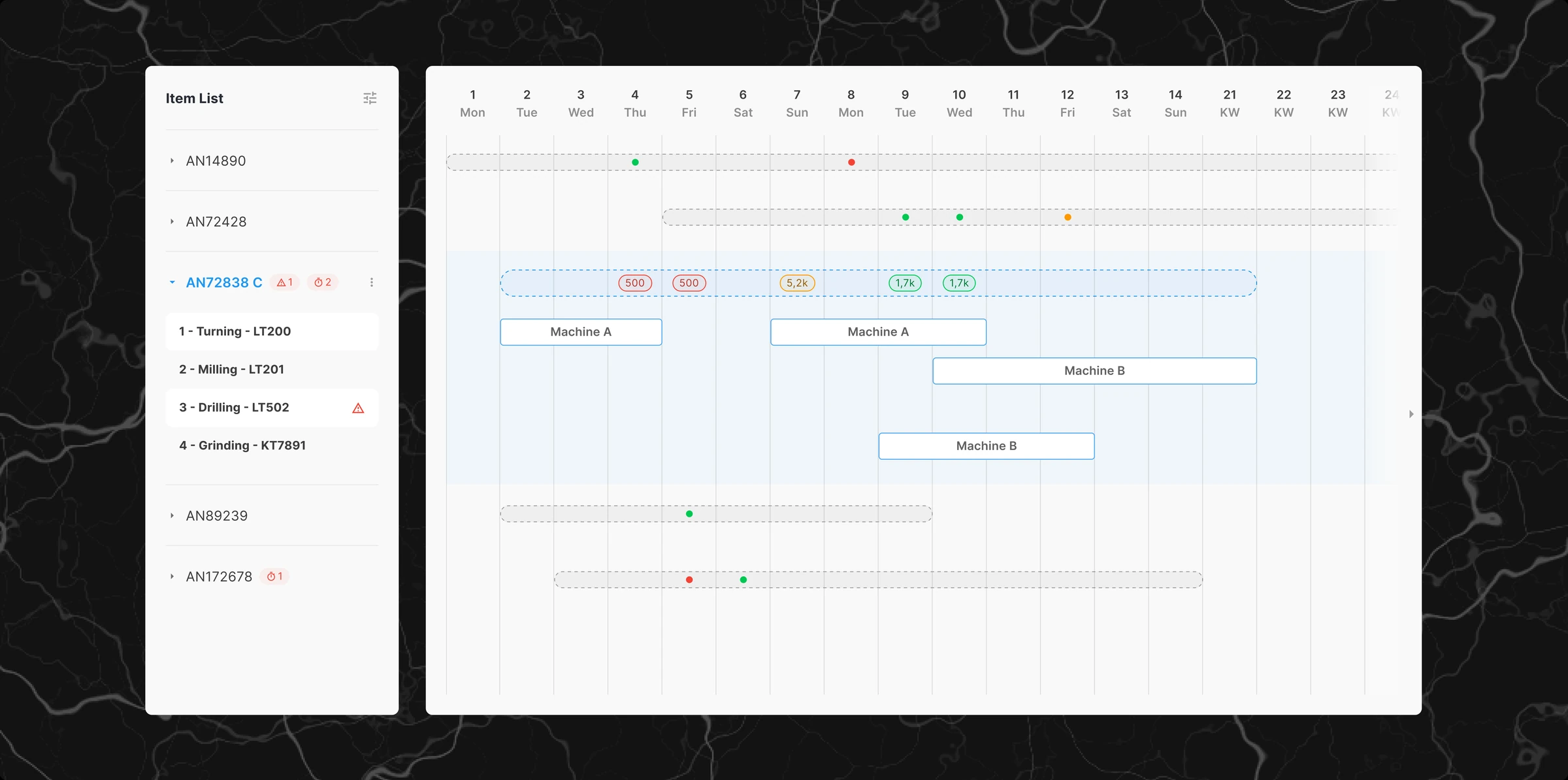
Joined the first conversation with CTO and sales. Mapped the module landscape and judged the true depth of the system to shape a realistic engagement.
Continuous feedback loop with the client. 76% of value creation now covered; the final third (logistics integration) is in progress.
Half- to full-day sessions every 2–3 weeks. Extracted domain workflows directly from the production lead and CEO, translating manufacturing language into structured requirements.
The dashboard was a genuine balancing act. Give users full freedom and every screen becomes a unique, unsupportable snowflake. Lock it down and you lose the per-role relevance that makes an ERP usable on the factory floor versus in management.
The idea: a preset system of curated presets plus customisable presets, built on a small / medium / large module grid. Modules are dynamic: once engineering defines what a module computes or displays, it becomes selectable.
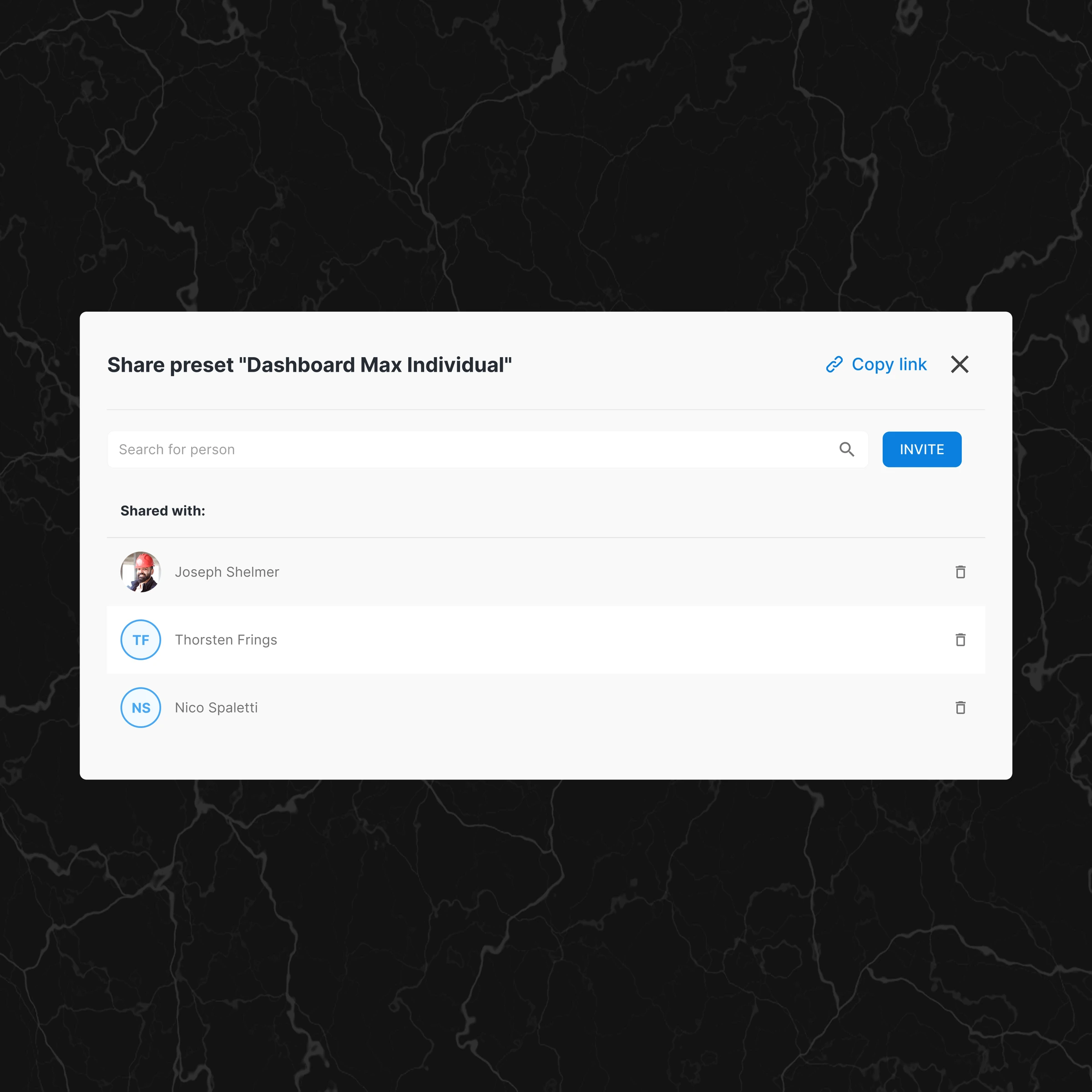
Presets are shareable. A user builds a layout, generates a link, sends it to a colleague, who adds the template in one click. Personalisation that spreads good practice instead of fragmenting it.
Leading to per-role relevance without a support nightmare. Standardisation and flexibility coexisting by design.